Ansylia: A Charming Script Font for Web Design
As a web designer, I’m always on the lookout for fonts that can add a touch of elegance and personality to my projects. Recently, I came across Ansylia, a thin and casual script font, and I was eager to see how it would perform in a real website layout. After testing it in various sections of a boutique online store, I’m excited to share my thoughts.
Visual Characteristics and Personality
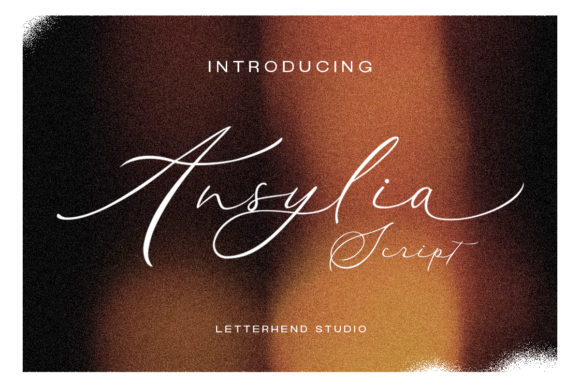
Ansylia is a premium font with a light, airy feel. Its thin, flowing lines give it a casual yet sophisticated look, making it perfect for adding a personal touch to digital designs. The font’s simplicity and ease of use make it a great choice for both experienced and novice designers. Its visual appeal lies in its ability to blend seamlessly with other design elements, creating a cohesive and inviting aesthetic.
Performance in Web Layouts
I first tested Ansylia in the hero section of a boutique online store. The font’s graceful curves and elegant flow made it an excellent choice for the main headline. It immediately caught the eye and set the tone for the rest of the page. The font’s readability on larger screens was impressive, and it added a touch of luxury to the overall design.
Next, I previewed Ansylia on mobile devices. While it maintained its charm, I noticed that the thin lines could be a bit challenging to read on smaller screens. To address this, I increased the font size slightly and used a bold weight for key phrases, which improved readability without sacrificing the font’s elegance.
Enhancing Brand Identity and User Engagement
In a coaching website, Ansylia was particularly effective in the call-to-action areas. The font’s decorative nature made the buttons and short phrases stand out, encouraging users to engage more with the content. For example, using Ansylia for the "Sign Up Now" button created a visually appealing and inviting experience, enhancing the overall user engagement.
For a course sales page, Ansylia was a natural fit for the section headings and promotional text. The font’s style complemented the clean, modern layout, making the content more engaging and memorable. The combination of Ansylia and a simple sans serif font for the body text provided a balanced and professional look, reinforcing the brand’s identity.
Font Pairing and Readability Tips
To ensure optimal readability and visual hierarchy, I recommend pairing Ansylia with a clean sans serif or a simple serif font. This combination works well for maintaining a clear and legible layout while still allowing Ansylia to shine in key areas. For instance, using Ansylia for the main headlines and a sans serif like Arial or Helvetica for the body text creates a harmonious and professional appearance.
When using Ansylia over image backgrounds, especially in hero sections, it’s essential to choose images with minimal detail and high contrast. This ensures that the text remains legible and doesn’t get lost in the background. Additionally, using a subtle drop shadow or a solid color overlay can help enhance the font’s visibility.
Limitations and Best Practices
While Ansylia is a beautiful and versatile font, it may not be suitable for all web design uses. For example, it’s not ideal for long body copy, small navigation text, or dense dashboard layouts where readability is crucial. In these cases, a more straightforward, legible font is recommended.
Before incorporating Ansylia into your web projects, it’s important to check for included styles, alternates, weights, and file formats. Additionally, ensure that the font supports multilingual characters if your audience is global. Lastly, verify the commercial font licensing to avoid any legal issues, especially when using the font for client projects or online stores.
In conclusion, Ansylia is a fantastic addition to any web designer’s toolkit. Its elegant and casual style makes it perfect for adding a personal and sophisticated touch to digital designs. With careful consideration of its limitations and best practices, Ansylia can significantly enhance the visual appeal and user engagement of your web projects.