Discover Mallanitan: A Versatile Handwritten Font for Editorial Design
As I sat down to redesign the header of my lifestyle blog, I knew I needed a font that would capture the essence of my brand—something that felt personal, yet professional. That's when I stumbled upon Mallanitan, a unique and friendly handwritten font. Its flowing style and versatile character immediately caught my eye, and I knew it could be the perfect addition to my design toolkit.
The Visual Character and Mood of Mallanitan
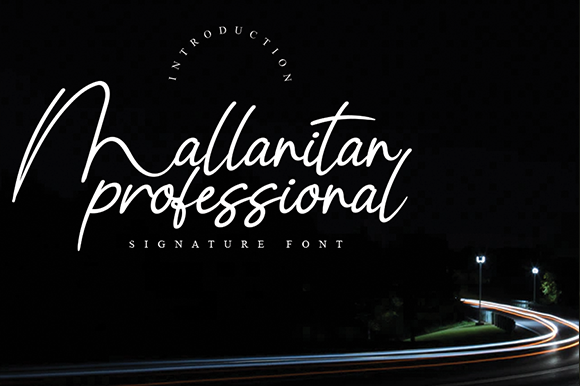
Mallanitan is a premium font that exudes a warm, inviting, and almost whimsical personality. The handwritten strokes are smooth and fluid, giving each letter a sense of movement and life. This makes it an ideal choice for creating a welcoming and engaging atmosphere in any editorial project. Whether you're designing a wedding guide, a recipe ebook, or a coaching workbook, Mallanitan can add a touch of elegance and charm.
Using Mallanitan in Blog Headers and Article Titles
For my blog, I decided to use Mallanitan for the main header. The flowing and slightly cursive style of the font gave the blog a more personal and approachable feel. It also made the title stand out, drawing the reader's attention and setting the tone for the content that followed. In article titles, Mallanitan worked beautifully, adding a touch of creativity and sophistication without overwhelming the text.
Creating Impactful Magazine Covers and Ebook Titles
When it comes to magazine covers and ebook titles, Mallanitan shines. The font's elegant and flowing nature makes it perfect for creating impactful and memorable titles. For example, in a digital magazine layout, using Mallanitan for the cover text can instantly elevate the overall design, making it more visually appealing and inviting to the reader. Similarly, in an ebook, the title set in Mallanitan can create a strong first impression, setting the stage for the content within.
Enhancing Newsletter Graphics and Pull Quotes
In newsletters, Mallanitan can be used to create eye-catching graphics and pull quotes. The font's expressive and flowing style makes it ideal for highlighting key points and adding a touch of flair to the design. For instance, in a creator newsletter, using Mallanitan for the main headline and pull quotes can make the content more engaging and visually interesting, encouraging readers to delve deeper into the message.
Practical Considerations for Readability and Use
While Mallanitan is highly versatile, it's important to consider its readability, especially for longer texts. The font works best for titles, subtitles, and decorative accents, where its expressive nature can be fully appreciated. For body copy, it's advisable to pair Mallanitan with a clean and readable serif or sans serif font. This combination ensures that the content remains accessible and easy to read, even on smaller screens and in print materials.
- Screen Reading: Mallanitan is well-suited for headers and titles, but for body text, opt for a more legible font.
- Mobile Layouts: Ensure that the font size is large enough to maintain readability on smaller screens.
- PDF Exports: Test the font in PDF documents to ensure it renders correctly and maintains its visual appeal.
- Print Materials: Use Mallanitan for headlines and decorative elements, and pair it with a clean, readable font for the body text.
Font Pairing and Practical Tips
When using Mallanitan in your editorial designs, consider pairing it with a clean and legible serif or sans serif font. For example, a classic serif like Garamond or a modern sans serif like Montserrat can complement the handwritten style of Mallanitan while ensuring readability. Additionally, check the included styles, alternates, ligatures, and weights to fully leverage the font's versatility. Also, ensure that the font supports the languages you need and that you have the appropriate commercial license for your intended use, whether it's for ebooks, templates, or client publications.
In conclusion, Mallanitan is a fantastic choice for bloggers, publishers, and content creators looking to add a personal and elegant touch to their designs. Its flowing and versatile style makes it suitable for a wide range of editorial projects, from blog headers and article titles to magazine covers and ebook titles. By carefully considering its use and pairing it with complementary fonts, you can create visually stunning and engaging content that resonates with your audience.